
The Fermentation Project
Yes! Fun! Time for a little coffee tasting experience. And hopefully an educational one as well!
The well known Mr. J. Hoffmann has put together one coffee, processed in four different ways, with the knowledge and know-how from Lucia Solis, a true coffee expert with a background in the wine industry.
This tasting kit contains four coffees, all from the same farm, same variety, same soil, and same altitude. Just one difference: the processing.
Each coffee has gone through a different fermentation step, but all other things have been kept as close to identical as possible, to only highlight what the influence of fermentation is on the flavour of coffee. Fun, right?
James Hoffmann has asked roasters around the world to join the project and roast the coffees. Together, on the 3rd of October at 16:00 (European Summer Time), we will cup these coffees in a live YouTube event. Also fun!
And because we think cupping is nice, but playing around with filter or espresso recipes is also part of the joy, we have filled the bags up until 150 grams, a bit higher than other coffees in the range, to make sure you have enough coffee to really play around with and find your perfect recipe, and compare that to the other coffees from the tasting kit.
Four fermentations, explained: fermentation breaks down the mucilage around the bean, but it also shapes a large part of the final flavour. This set is built to be cupped together: the same bean, side by side, so you can taste what each method actually does.
Mechanically demucilaged
Mucilage removed with water and friction, no fermentation involved. The baseline of the experiment.
Wild fermentation
Fermented by the microorganisms naturally present on the farm. Impossible to exactly repeat.
Lactobacillus inoculated
A dosed strain of lactic acid bacteria drives the fermentation, aiming for a consistent outcome.
Yeast inoculated
Same idea as above, this time with a dosed strain of yeast instead of bacteria.
All four are washed coffees: the cherries are floated, pulped and submerged in fermentation tanks, around 48 hours, except for the mechanically demucilaged lot, which skips fermentation entirely. From there they’re rinsed and dried on the patios for 10–14 days, with shade used intermittently to control temperature.
We’re selling this project in bags of 150 grams. That’s plenty to join the cupping, but also enough to experiment with a few filter recipes and pull a proper espresso shot. That way you get to taste all four coffees across different brewing methods, not just in the cupping bowl.
Region: between Ciudad Vieja & San Miguel Dueñas, Antigua Valley
Farm: Finca San Miguel Urias, managed by Lucia & Nick Solis
Variety: Caturra, H1, Bourbon
Process: Washed, four different fermentation methods
Altitude: 1460–1540 masl, 14.5°N
Roasted in small batches on our Giesen W15, at the Ief&Ido roastery.
Part of The Fermentation Project, set up by James Hoffmann and Lucia Solis.
Always curious to learn more.
At Ief&Ido, we’re always curious, always keen to learn something new about coffee. This is exactly that kind of moment, and the best part is we get to do it together with roasters and coffee drinkers all over the world.
On October 3rd at 15:00, James Hoffmann is hosting a live online cupping. Together with everyone taking part worldwide, we’ll cup these coffees side by side and talk through what each fermentation technique actually does to the cup.
Aanbevolen producten
-
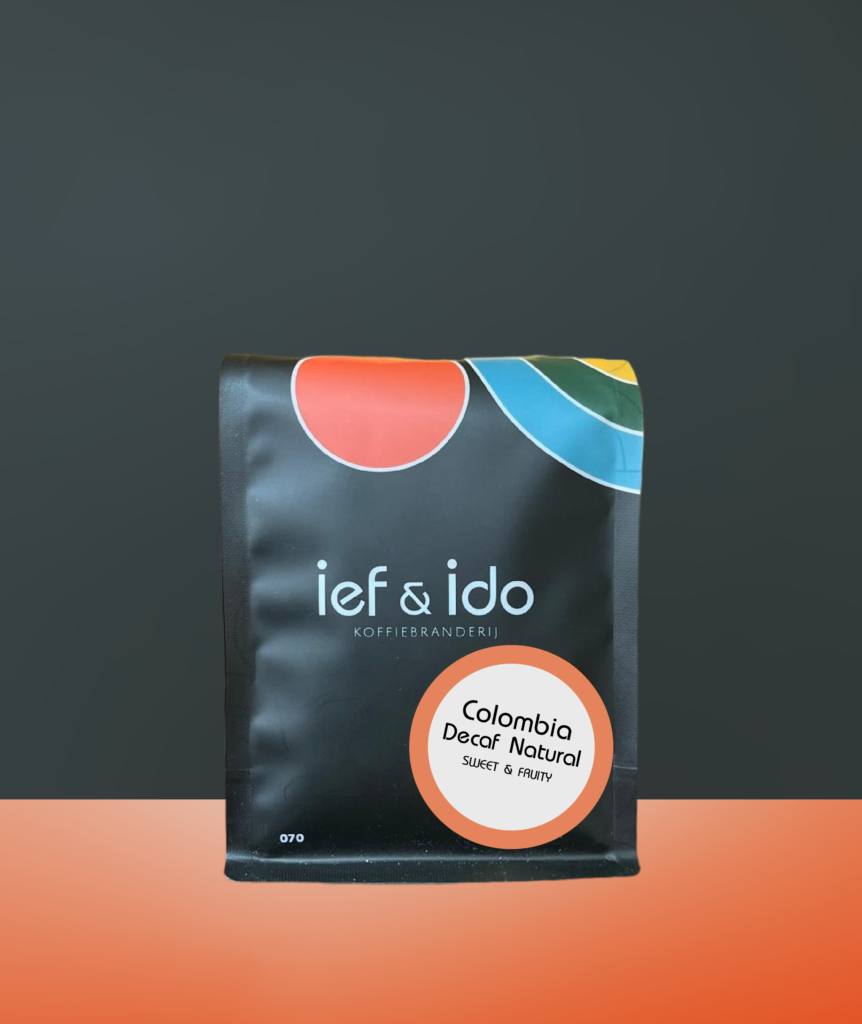
Colombia Decaf Natural
Prijsklasse: €15.00 tot €54.50 -
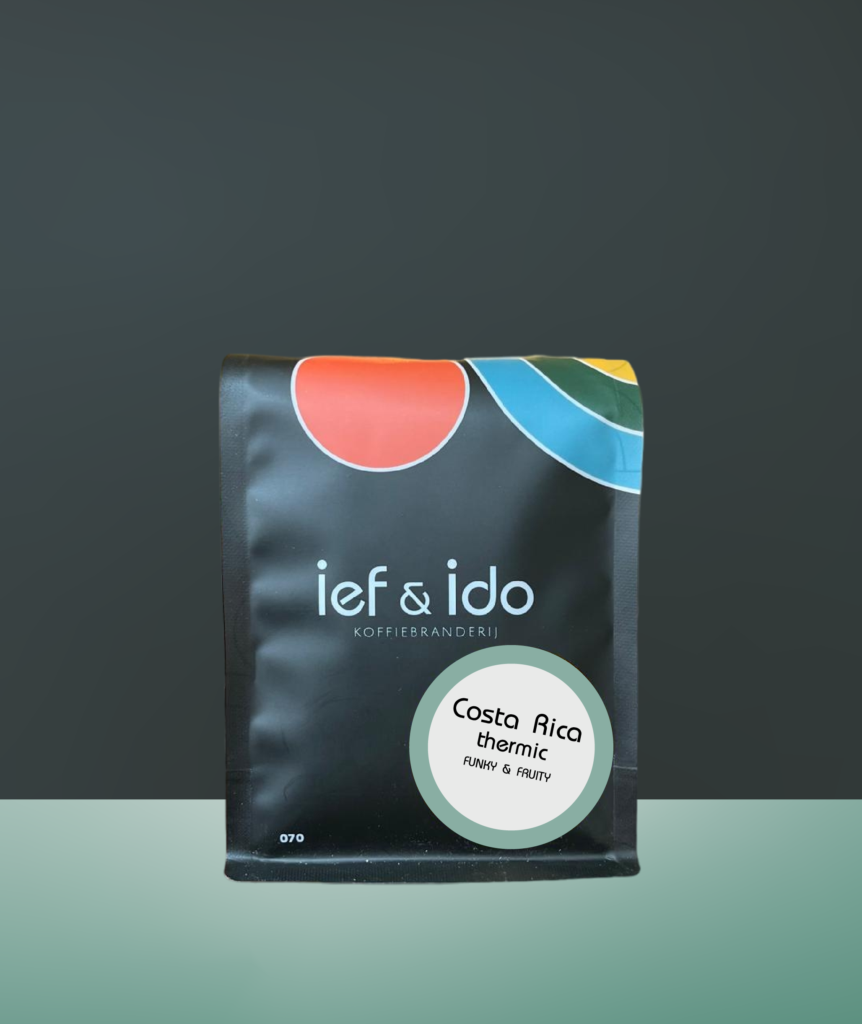
Costa Rica Thermic
Prijsklasse: €19.00 tot €68.00 -
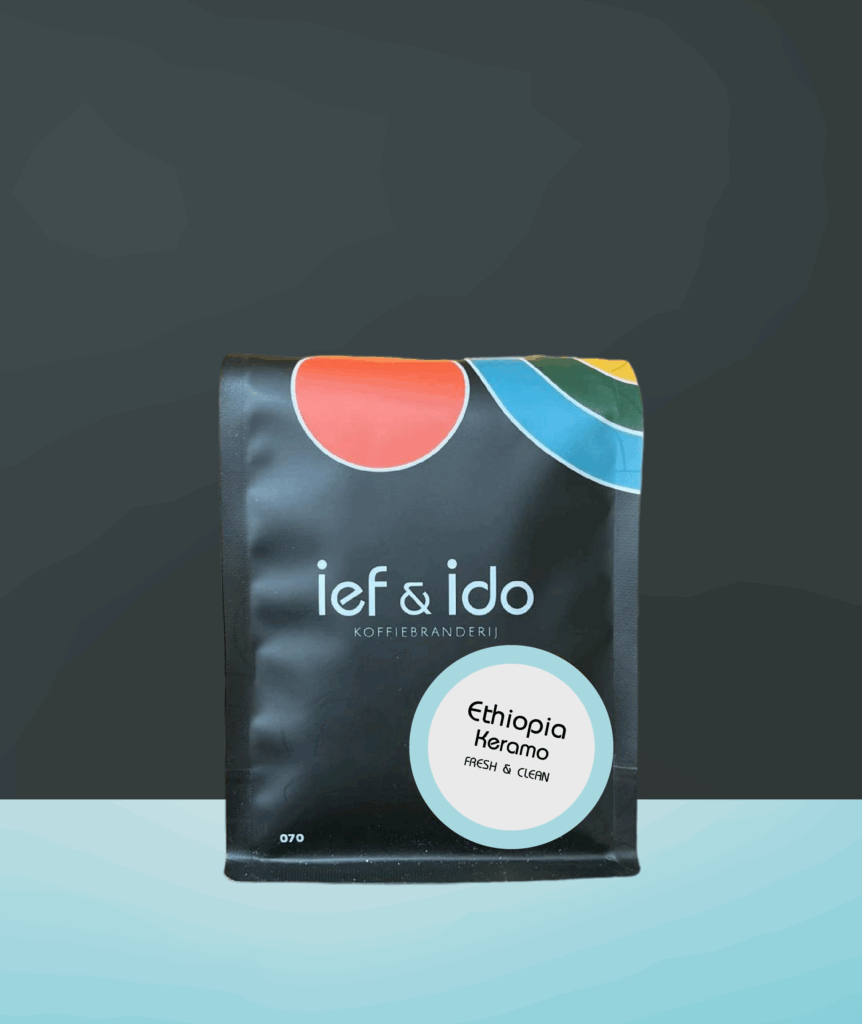
Ethiopia Keramo
Prijsklasse: €16.50 tot €60.00 -
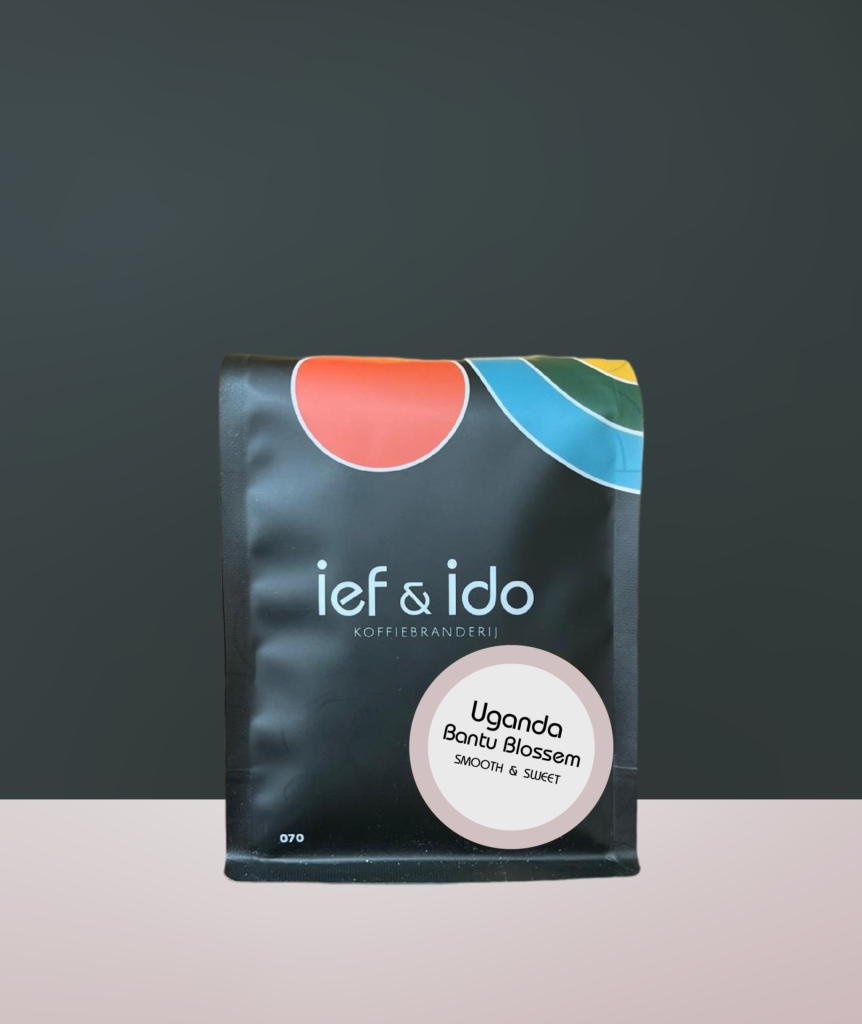
Uganda Bantu Blossom
Prijsklasse: €13.50 tot €48.50